
-
Your shopping cart is empty!


Packaging Guidelines
Packaging Guidelines

Dimensions
Helps in selection of appropriate size of boxes/flyers. Minimize inventory & cost.

Weight
Optimize for the minimum strength required for box. Ensures safety of item.

Fragility
Helps select appropriate box strength. Helps in optimizing the cushioning.

Physical State
Identifies the need for any special requirements for the protection of item.
Selection of Boxes
Material
- Use corrugated boxes of 3 ply for products below 4Kg and not fragile.
- Use corrugated boxes of 5 ply for products above 4Kg and fragile.
- Use tamper evident boxes for high value items (Cost above Rs. 7000).
- Ensure the material used can withstand the required edgecrush and burst factor loads.
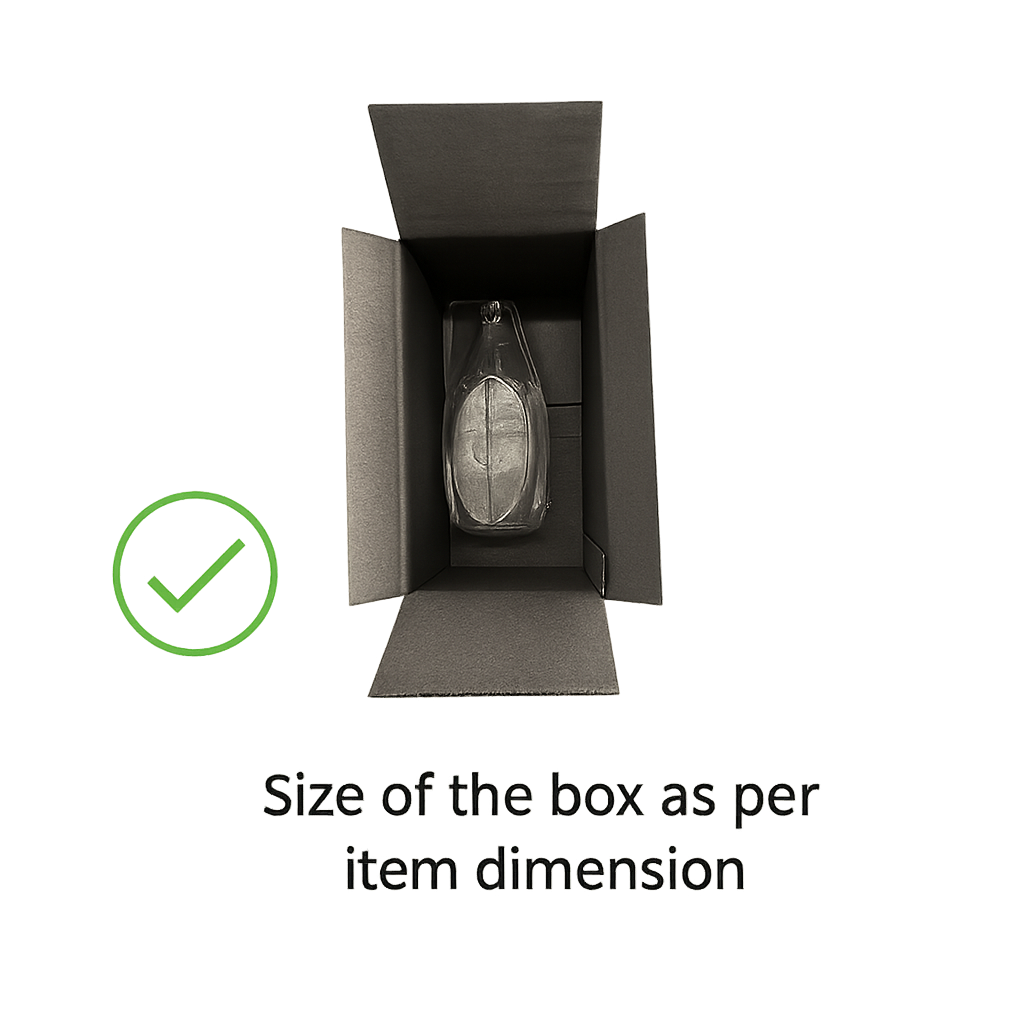
- Optimize the size of the boxes as per the product dimensions.
- The box should not be too small or too big for the item shipped. An optimum size box should be chosen.
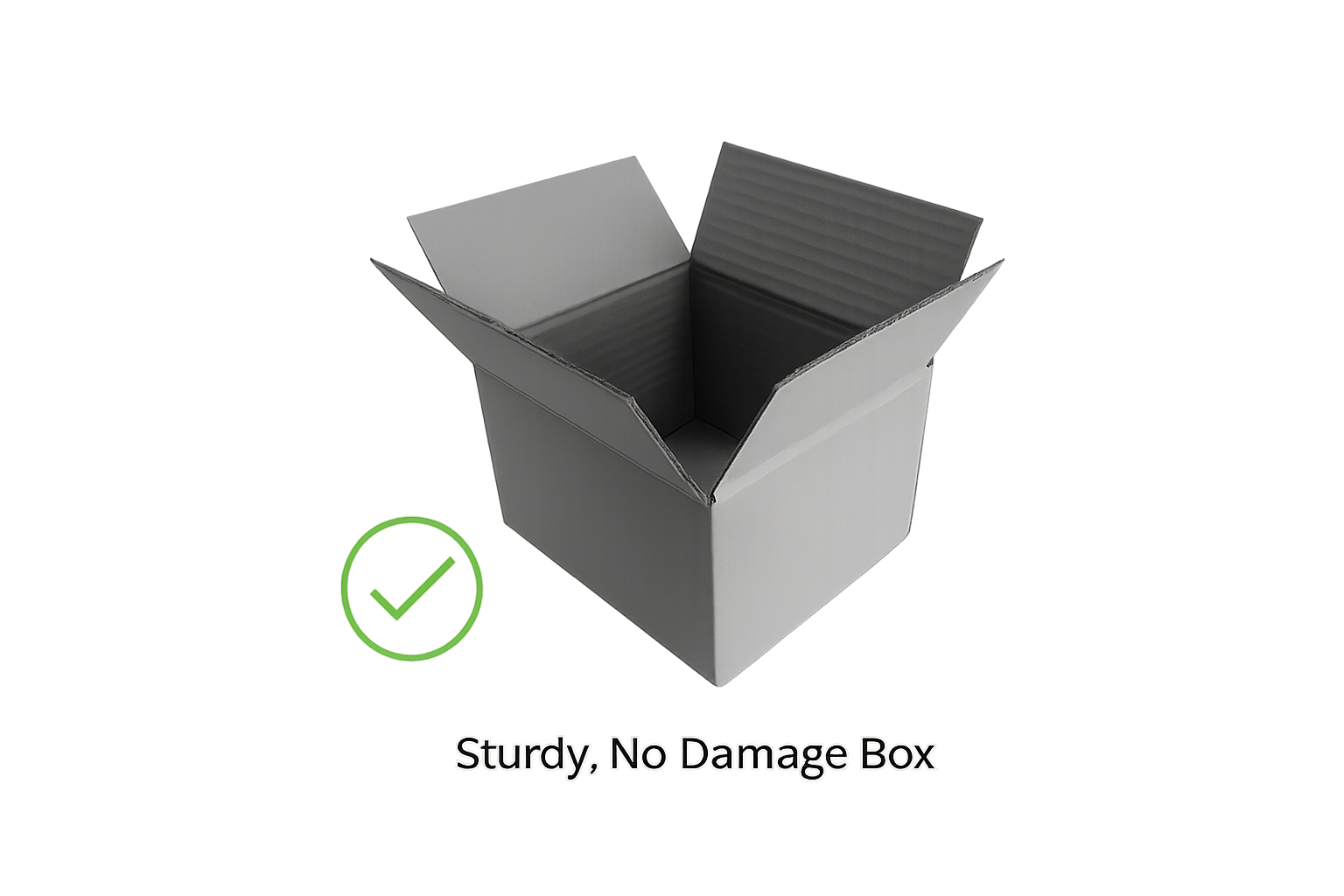
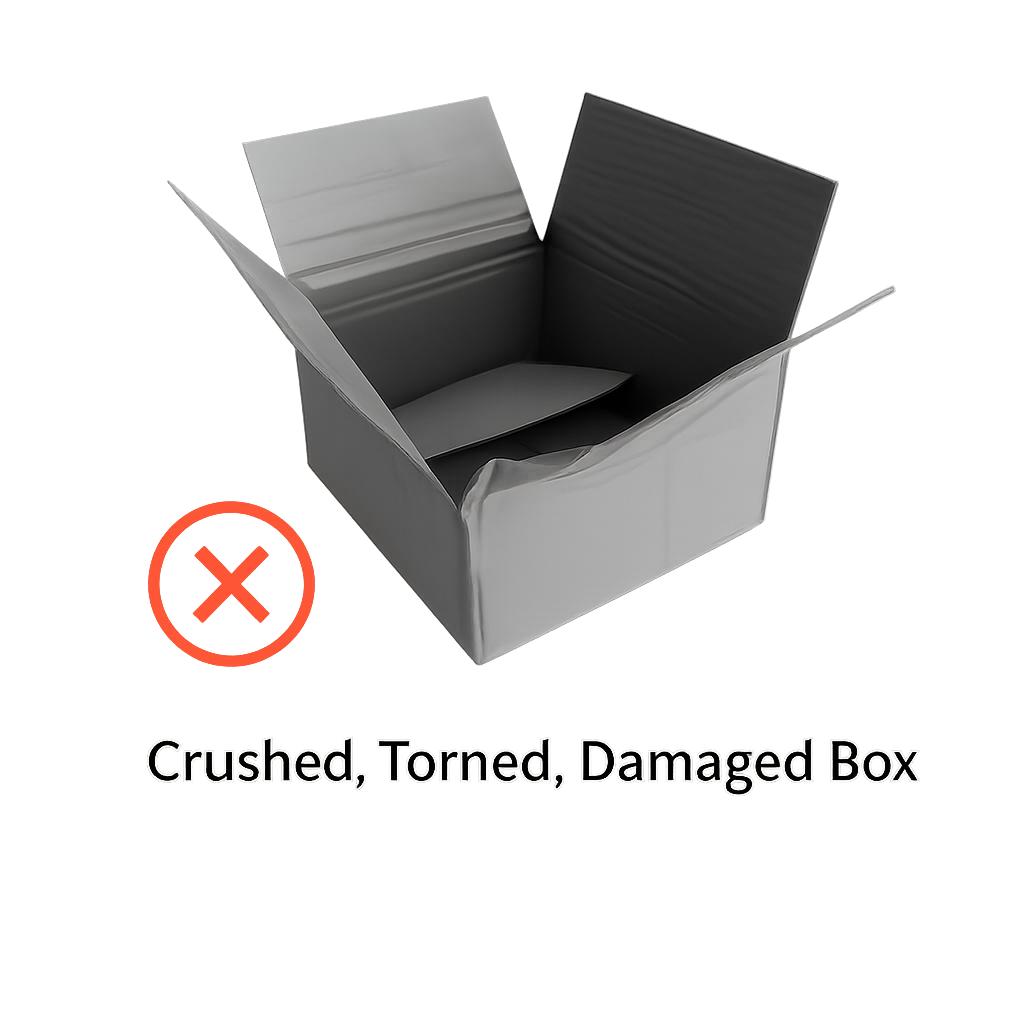
- Inspect the box for holes, tears, crushed edges and sturdiness. Avoid poor quality boxes for the safety of the item shipped.
Size
- Optimize the size of the boxes as per the product dimensions.
- The box should not be too small or too big for the item shipped. An optimum size box should be chosen.
Quick Check
- Inspect the box for holes, tears, crushed edges and sturdiness. Avoid poor quality boxes for the safety of the item shipped.

Selection of Flyers/Polybags
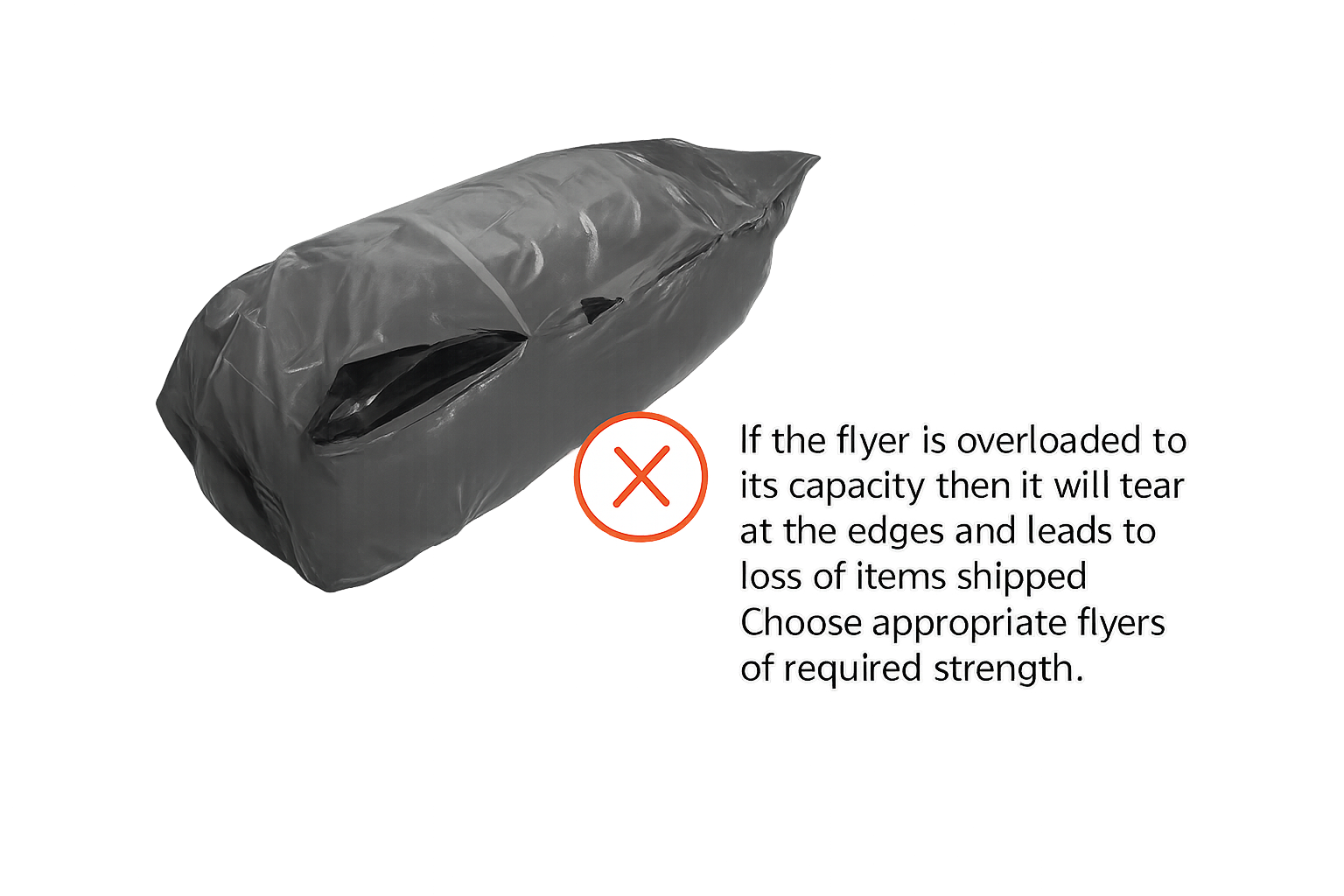
Flyers are quick and handy in packing of flexible items such as apparels or can be used as an added protection for the safety of the shipment from external fluids, tampering etc.
Material
- Choose 60–80 microns hotmelt glue adhesive LDPE polybags.
- Use tamper evident polybags for high value items (Cost above Rs.7000).
Quick Check
- Inspect the polybag for any damages.
- Ensure the opening is sealed properly after the packing of item.
Packing of Item
Packing an item involves leak proofing, cushioning, placing of the item and filling of the voids in the box. Enough cushioning needs to be provided to ensure no loads are transferred to the item.
Material
- Bubble wrap.
- Foam sheets.
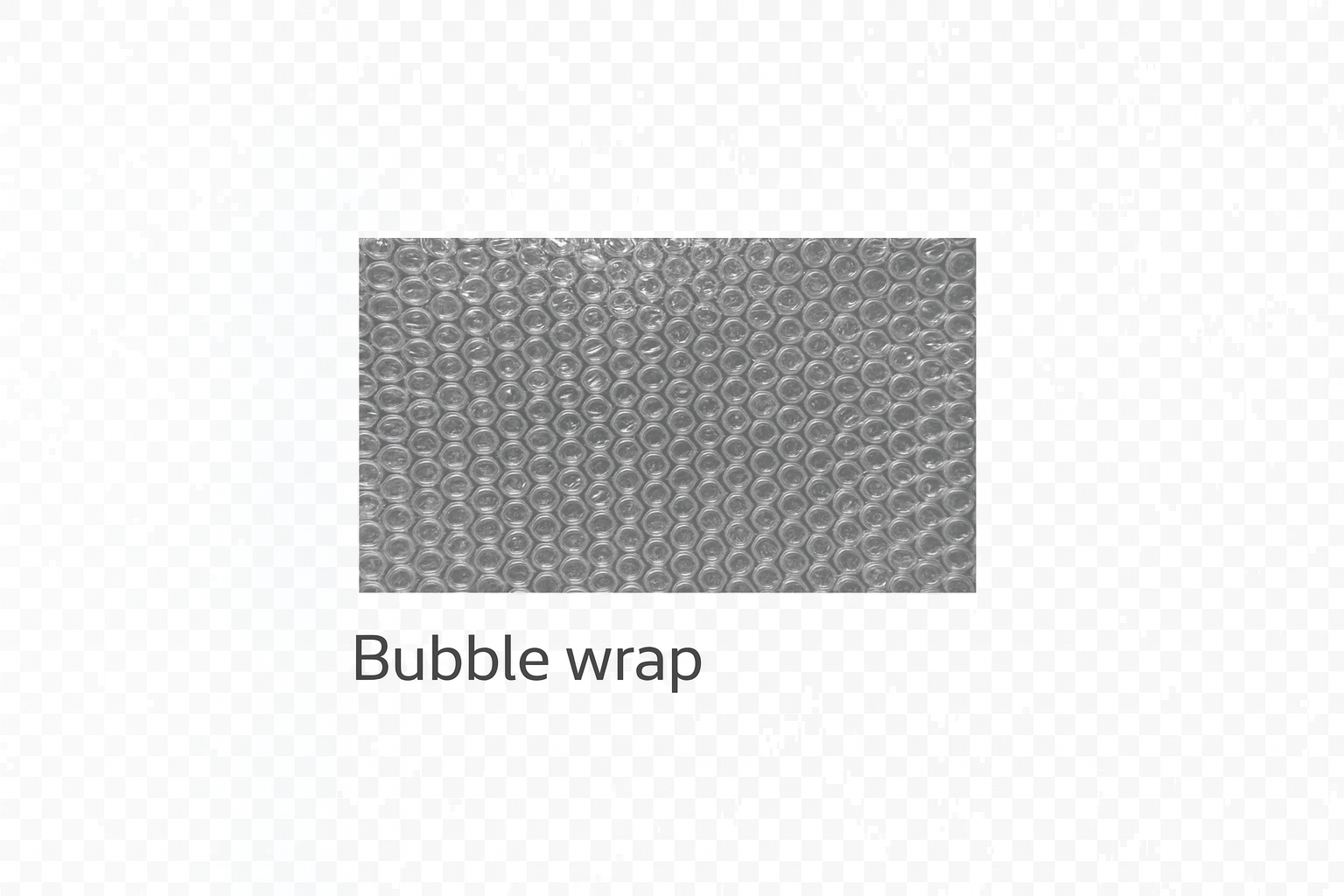
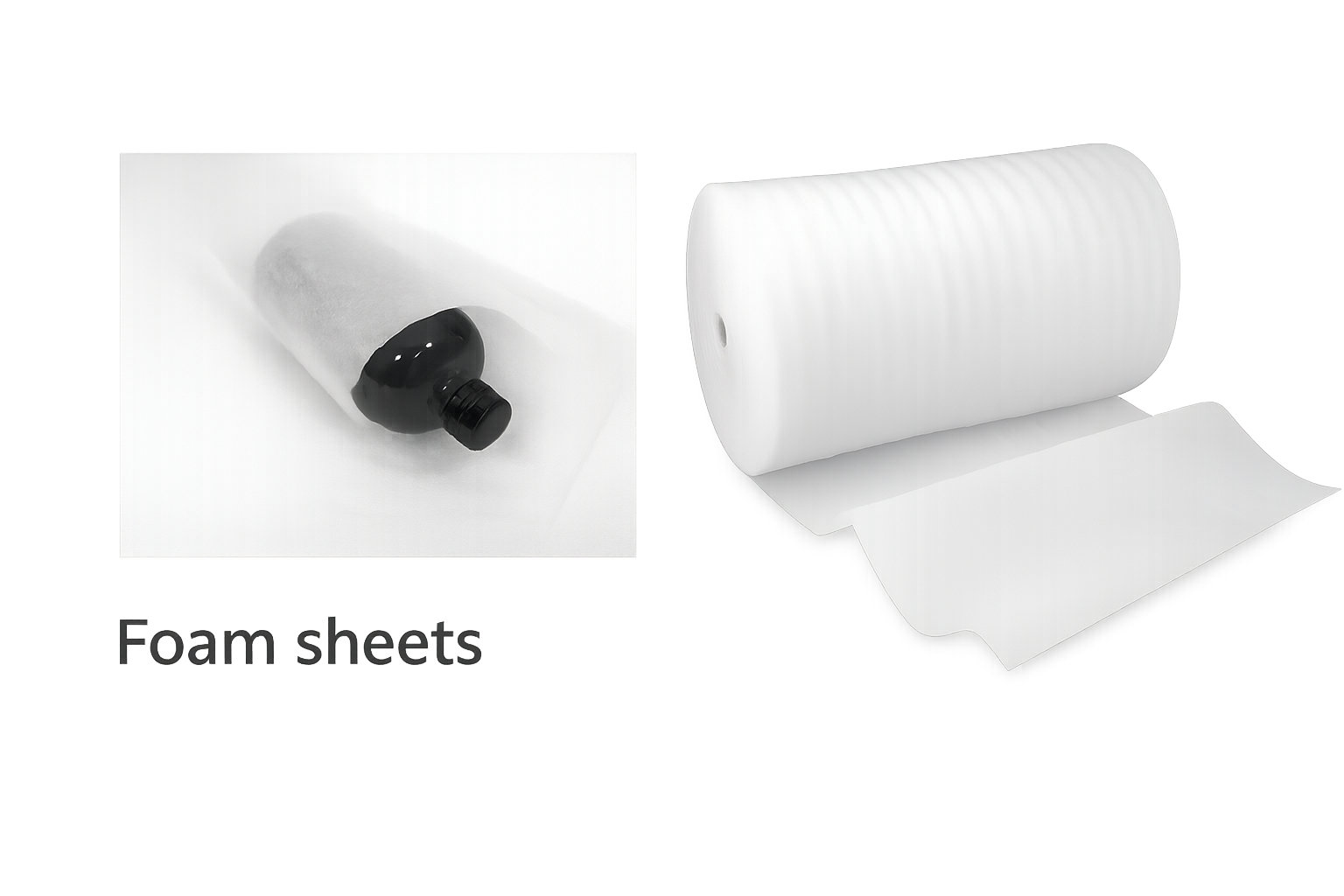
Internal Packing Material vs Functionality
| Material | Cushioning | Void Fill | Surface Protection | Divider |
|---|---|---|---|---|
|
Bubble wrap
|
✔ | ✔ | ✔ | |
|
Foam sheet
|
✔ | ✔ | ✔ | |
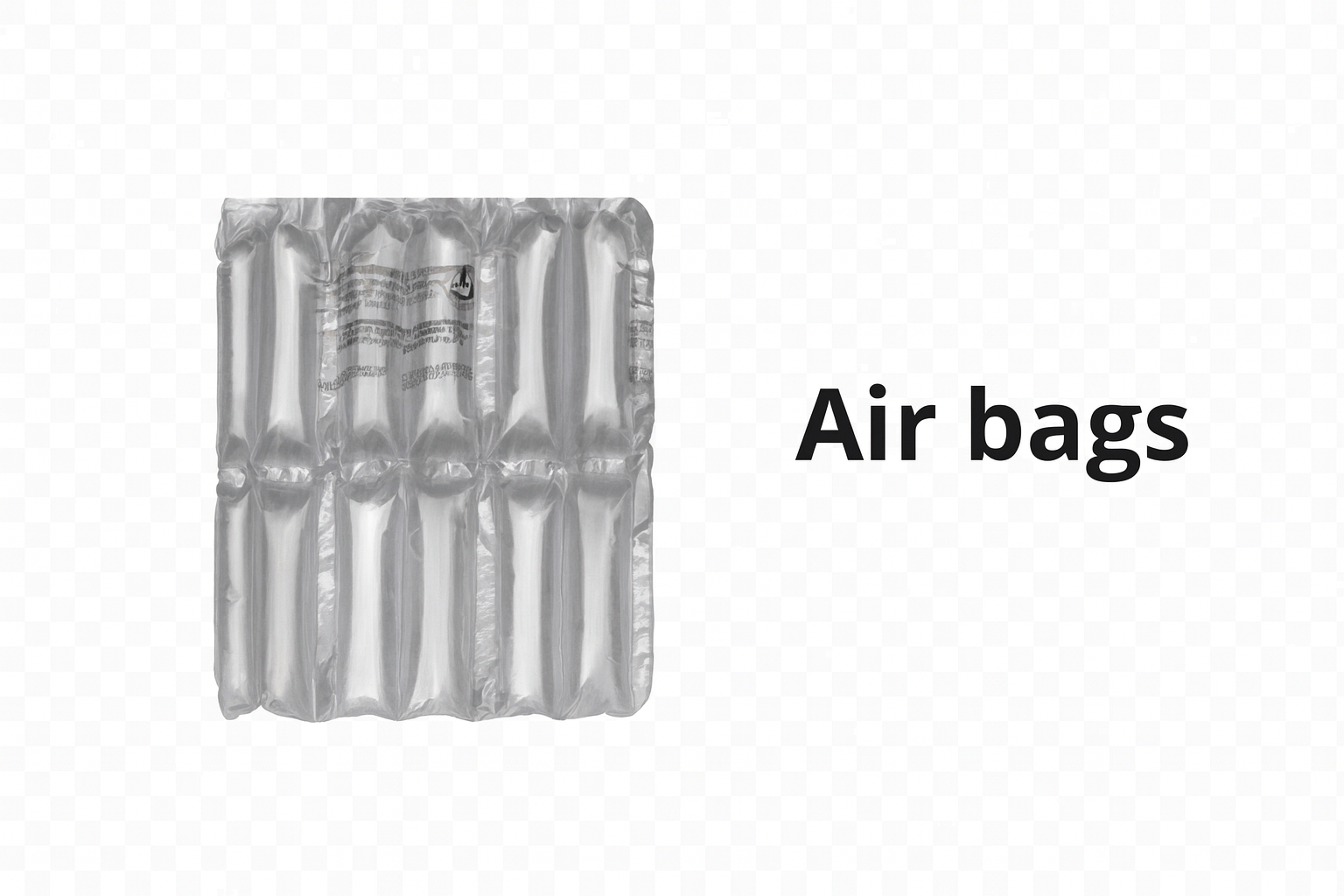 Air bags
|
✔ | |||
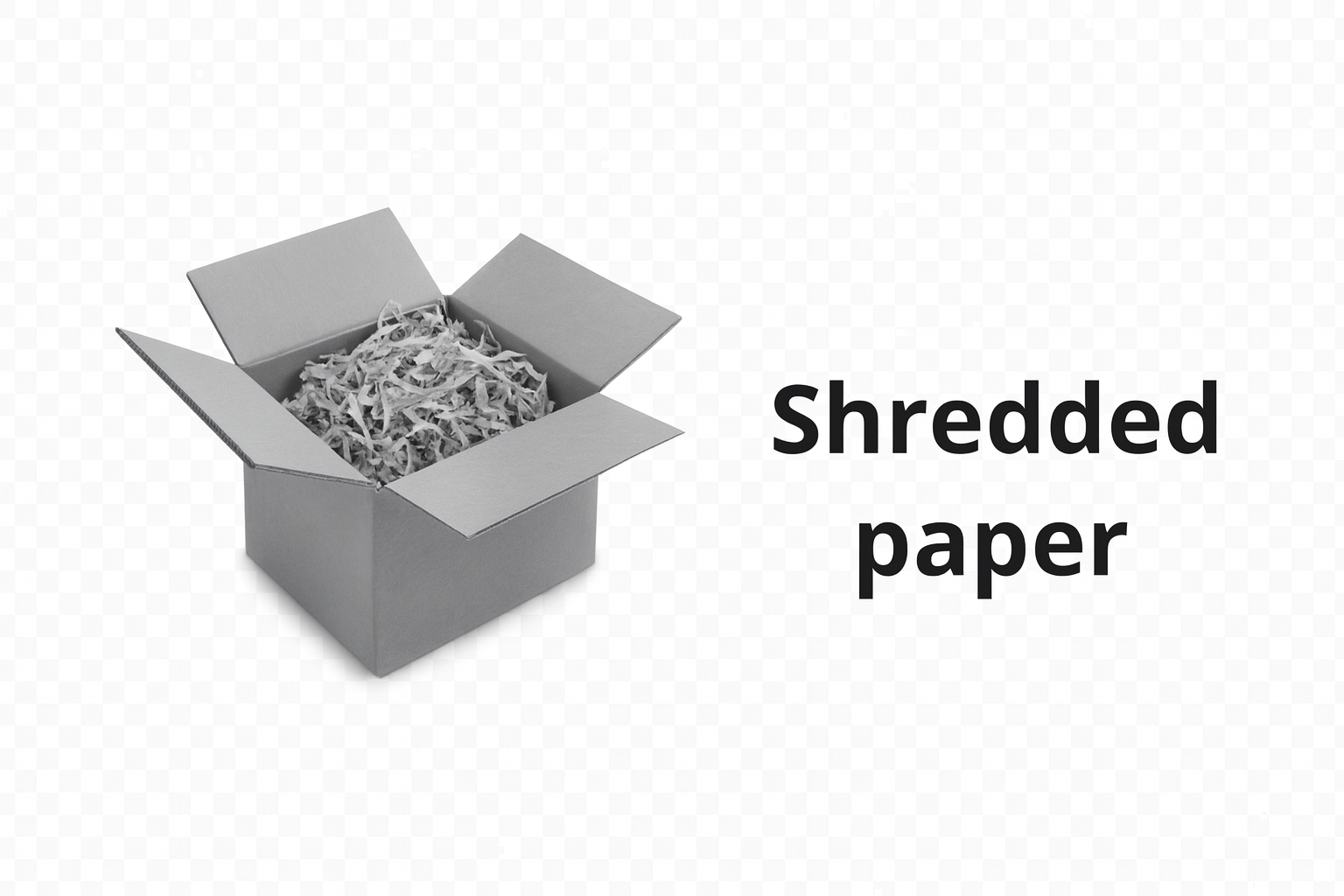 Shredded paper
|
✔ | |||
 Crumbled paper
|
✔ | |||
 Corrugated inserts
|
✔ |
Leaking Proofing
Liquid products need to be made leak proof before cushioning or packing. Common leak proofing techniques are mentioned below.
Material
- Heat shrink sleeves.
- Taping of bottle caps.
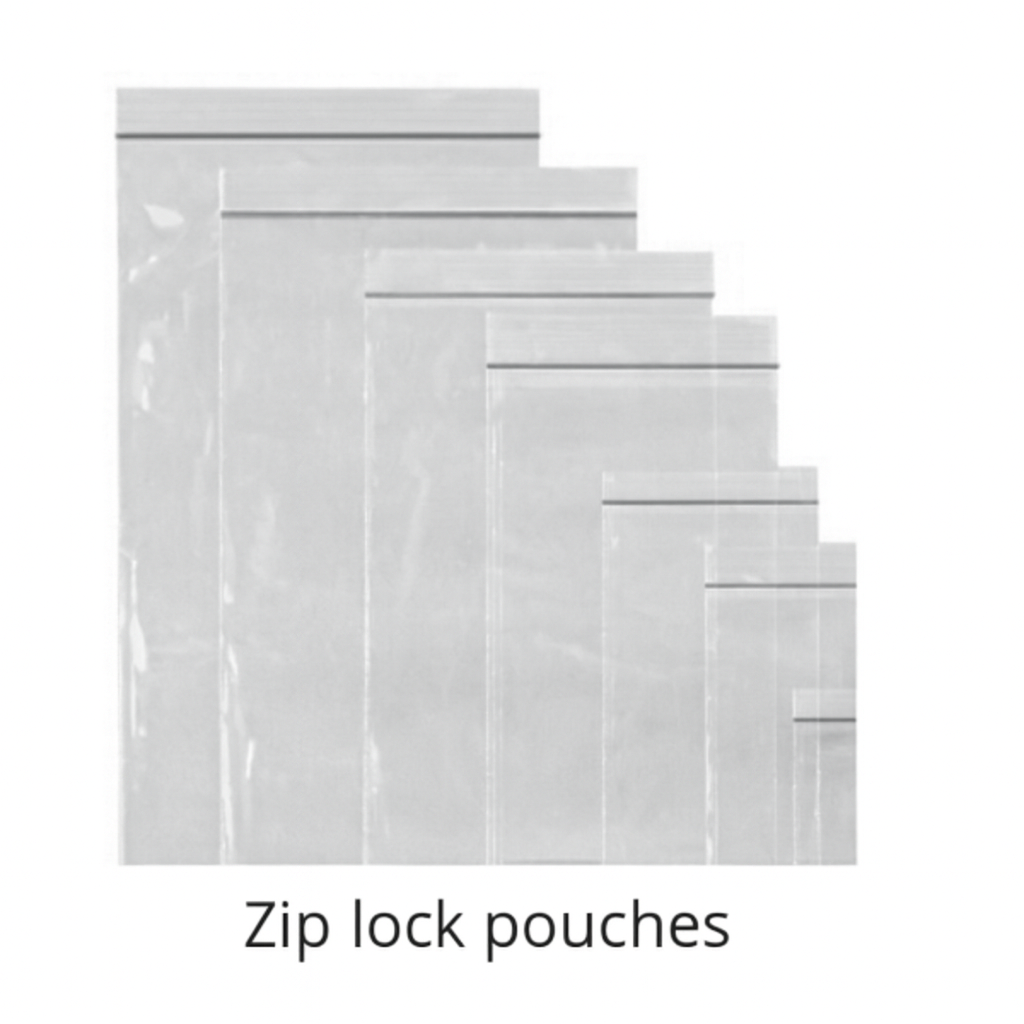
- Zip lock or leak proof pouches.


Sealing of Shipment
Sealing ensures that the properly packed item is secured and intact inside the box throughout the journey of the shipment.
Tape
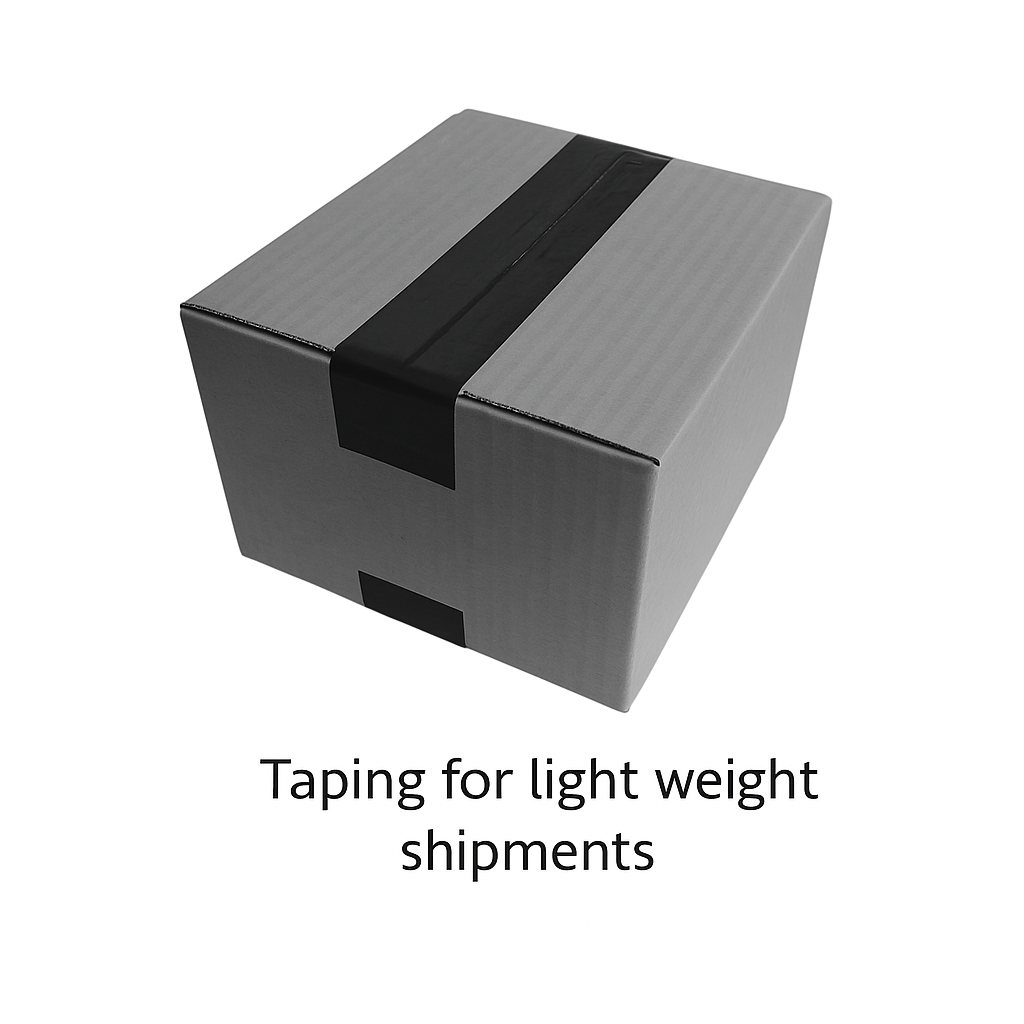
- Use Pressure Sensitive Tapes such as BOPP.
Locations
- Seal the center seam of the top and bottom of the box.
- For heavy shipments, apply H-taping by sealing both the center and edge seams on the box.

Shipment Labelling
Proper labeling is crucial for faster and safe handling of the shipment in reaching the intended destination.
Essential Data
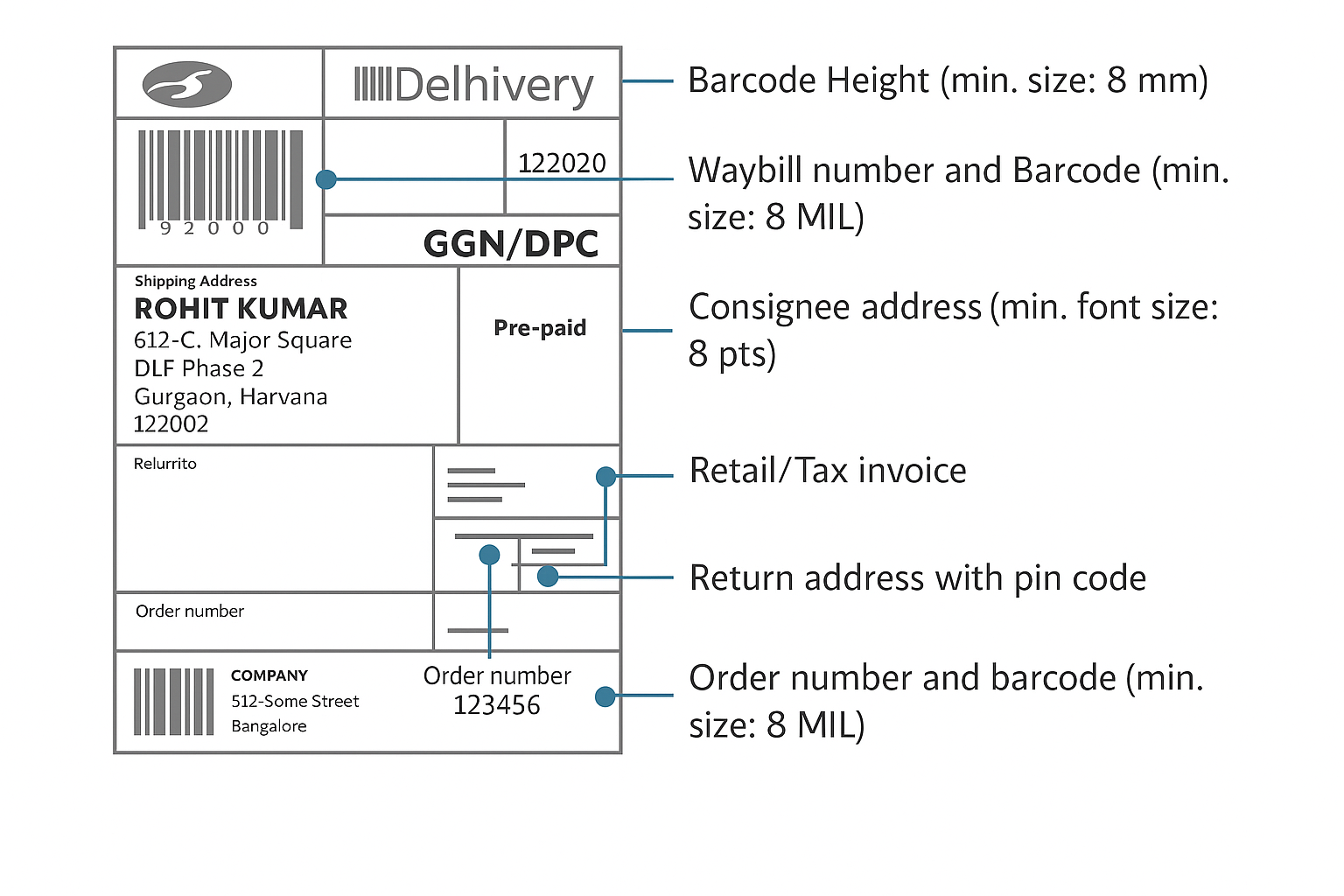
- Barcode height (min. size : 8 mm).
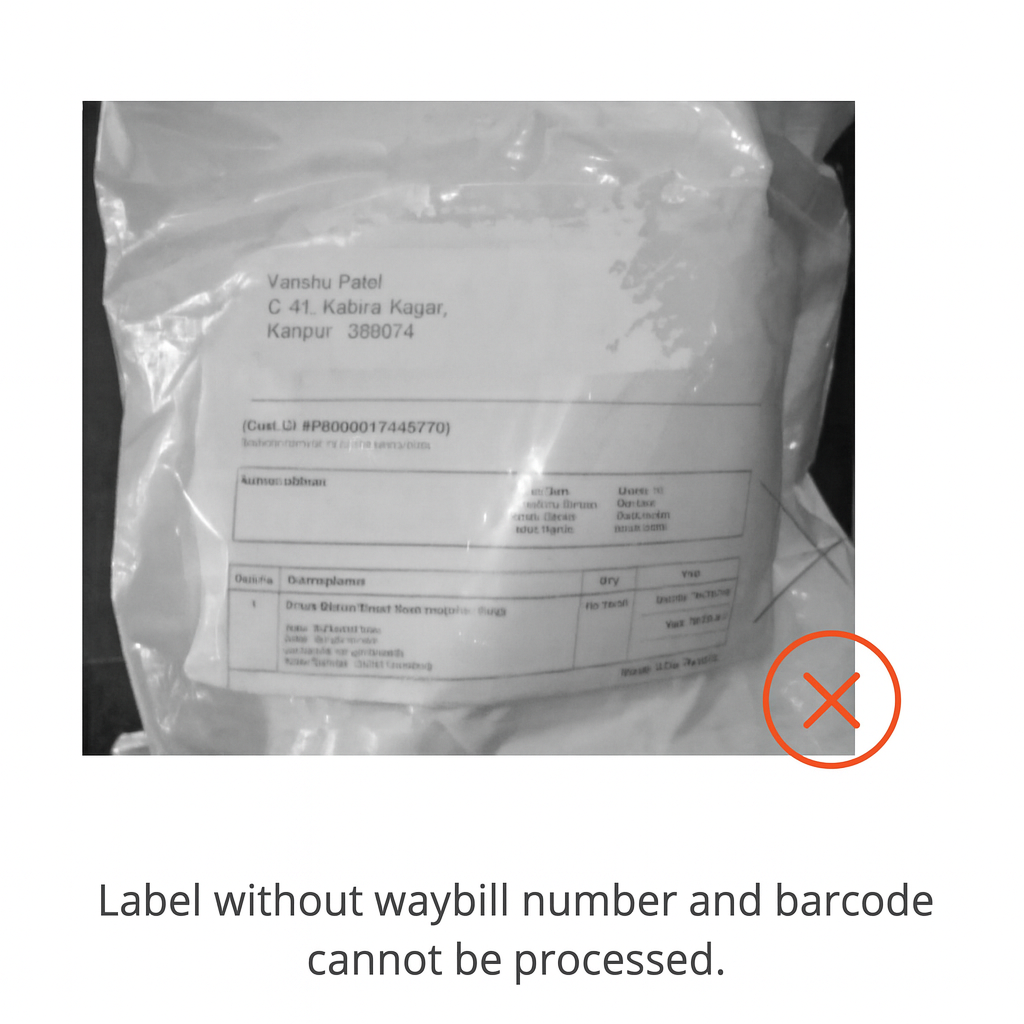
- Waybill number and barcode (min. size : 8 MIL, 1 MIL = 0.0232mm).
- Order number and barcode (min. size : 8 MIL, 1 MIL = 0.0232mm).
- Consignee address (min. font size: 8pts, Calibri body).
- Return address (min. font size: 8pts, Calibri body).
- Retail/Tax Invoice.
Location of Label
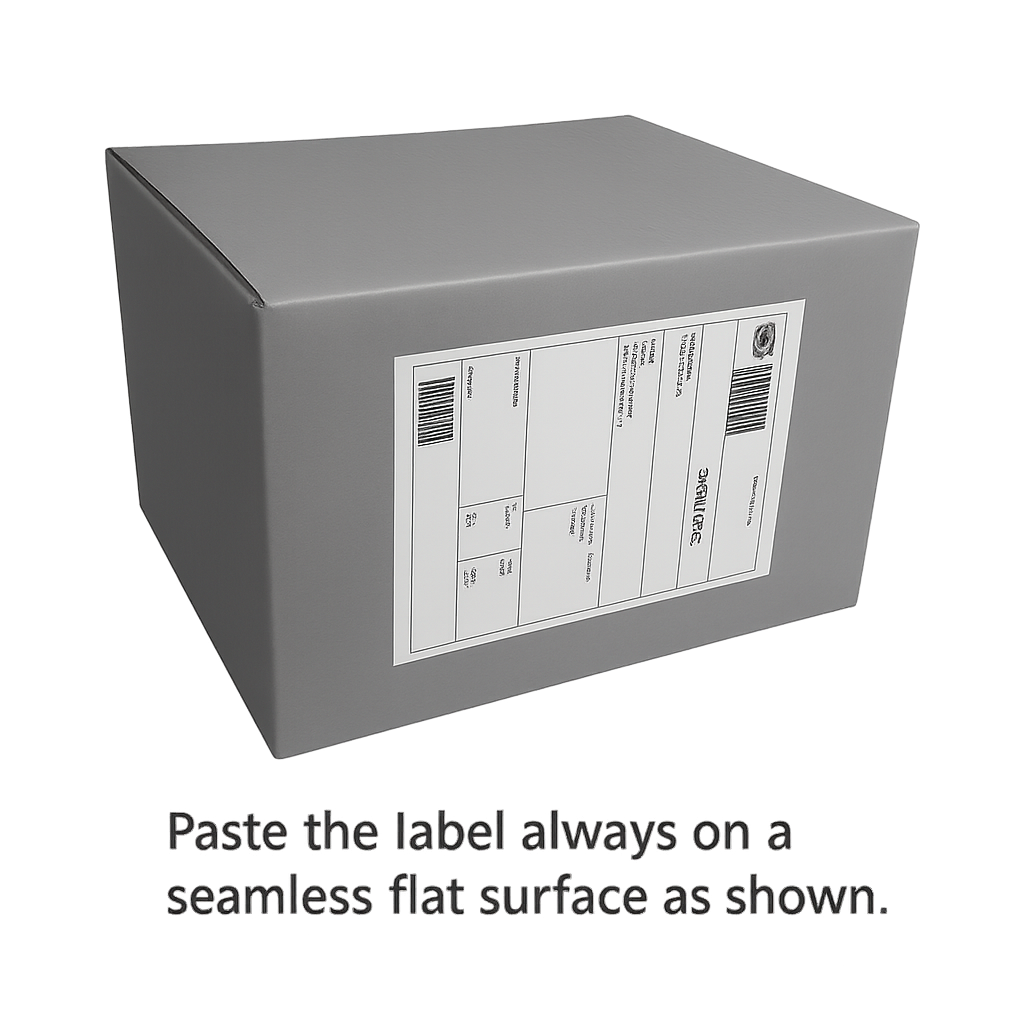
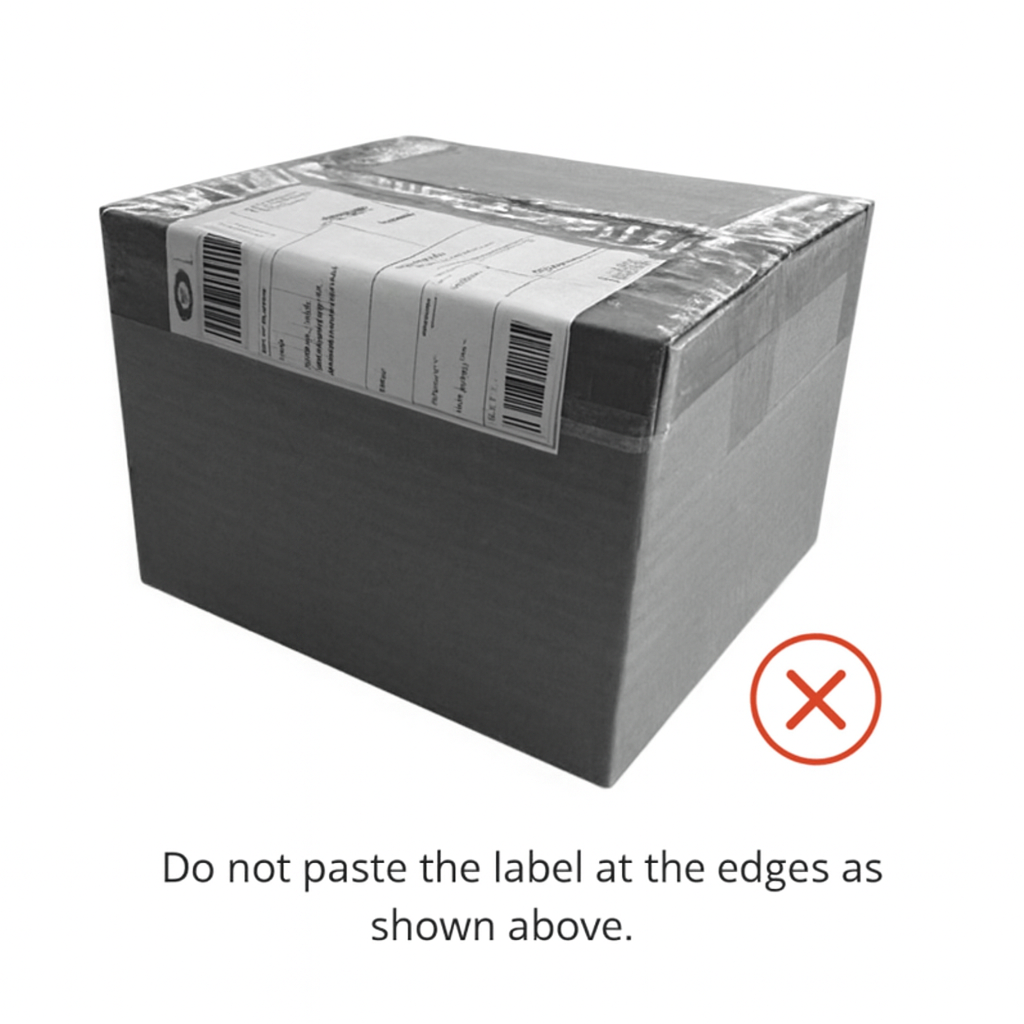
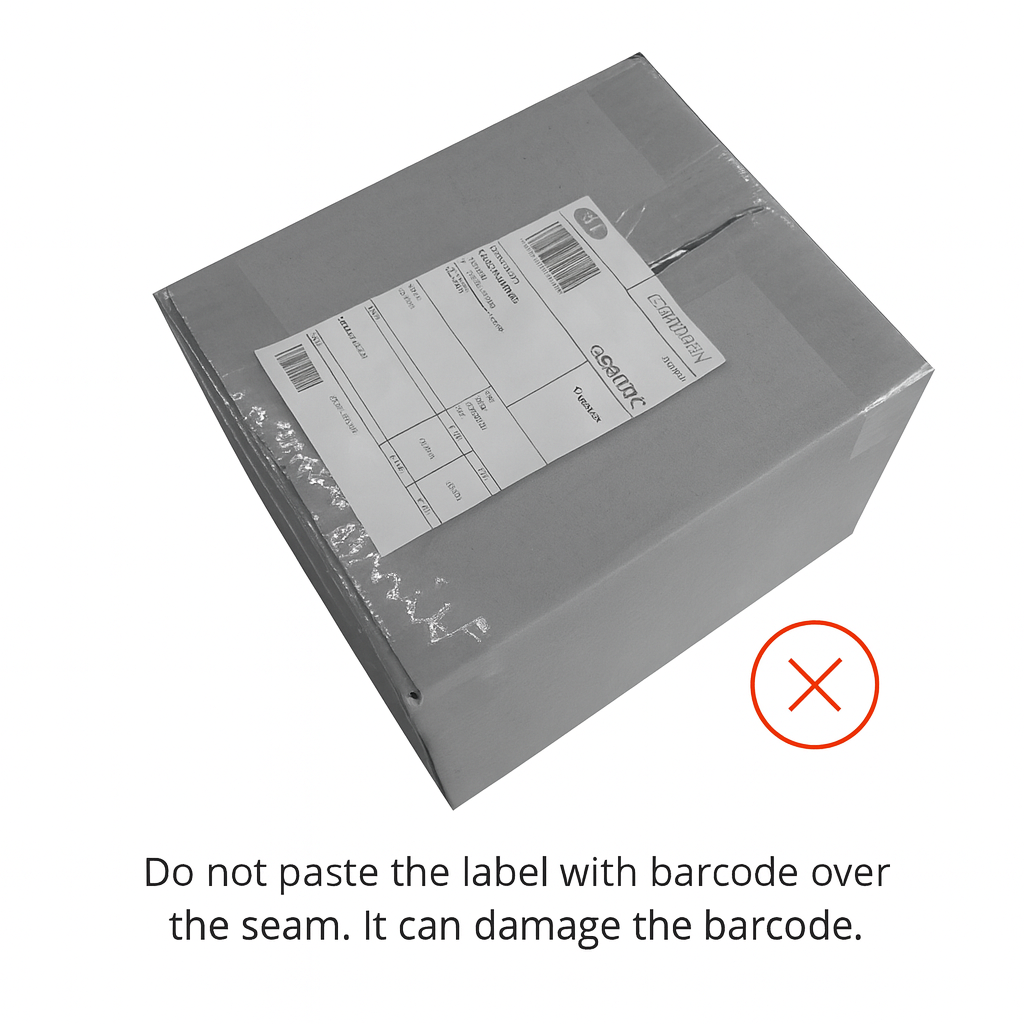
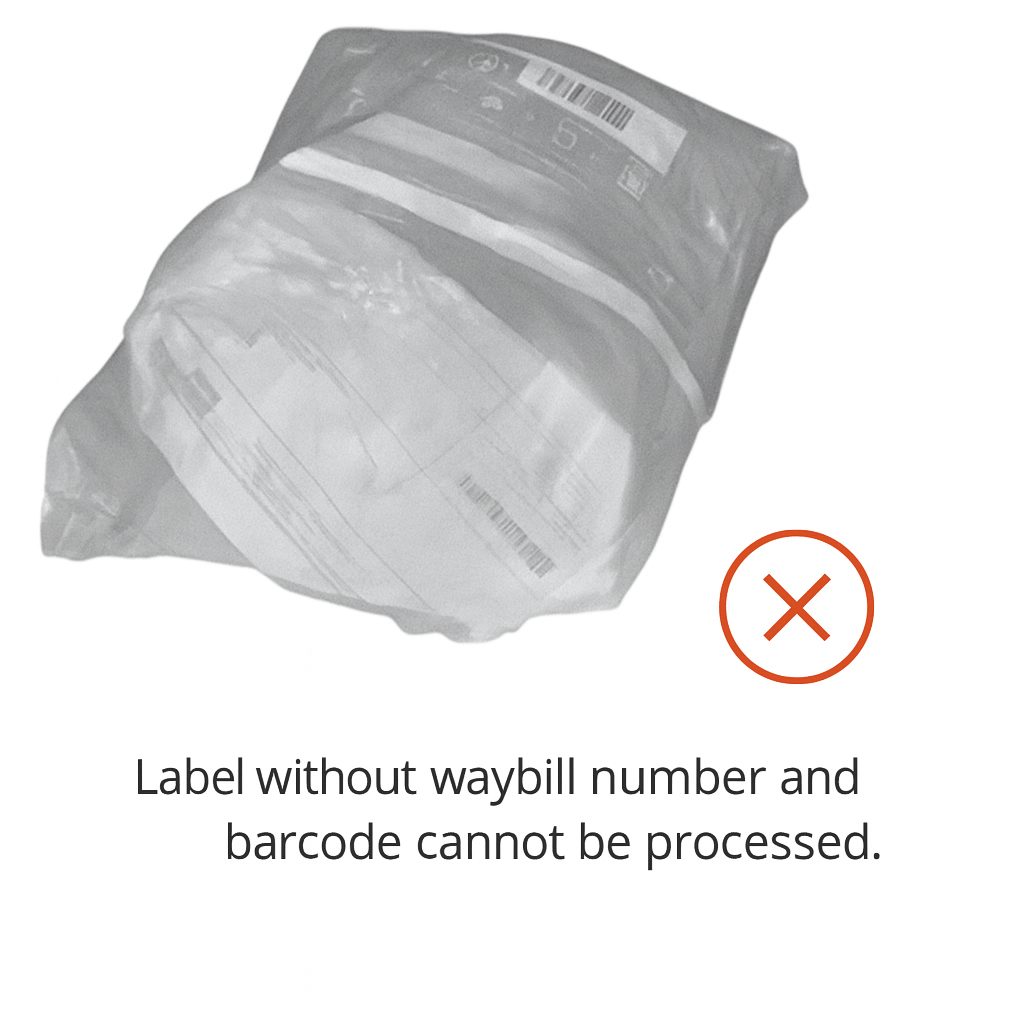
- Paste the label on a seamless flat face of the box/flyer.
- Paste the label away from seams or edges of the box.
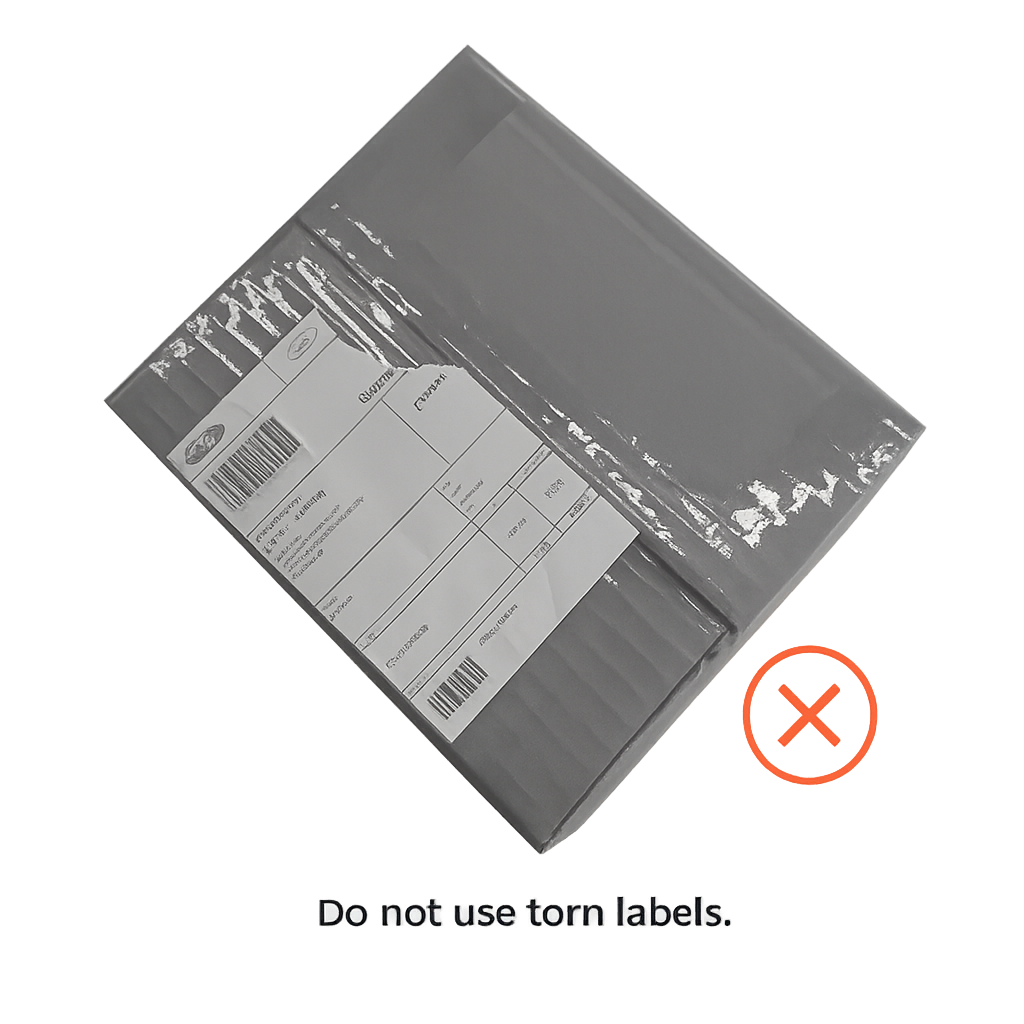
- Readability of barcode is important for faster and correct processing of shipments.
- In flyers/polybags, all the essential data on labels should be visible and the label should be placed flat.
- The pocket containing the label in flyer should be taped at the opening to avoid the loss of label.
- Thermal printed labels are strongly recommended over regular labels.
What not to do
Special Handling Labels
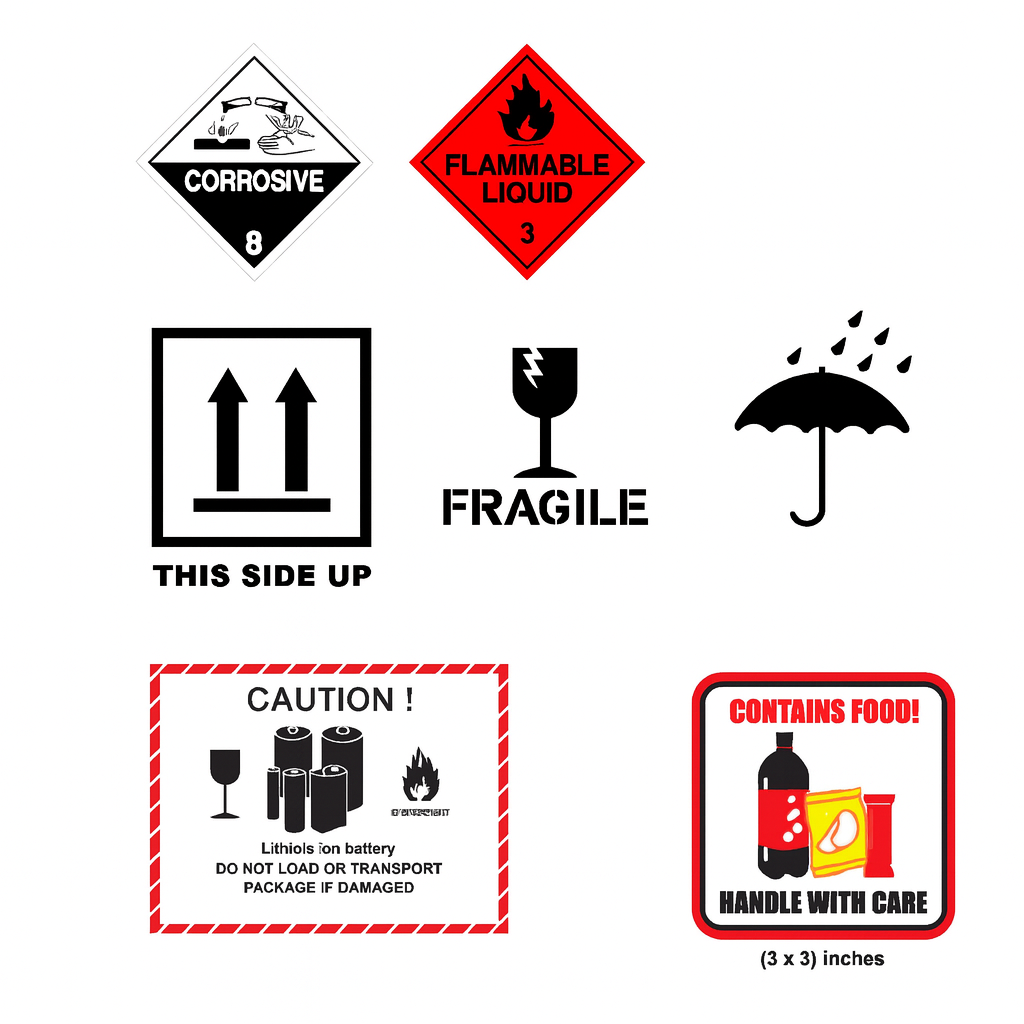
Special handling labels help in communicating the necessary information for appropriately handling the shipment.
Common Categories
- Fragile
- Perishables
- Dangerous goods
- Package orientation
- Keep dry
Product Categories
Special handling labels help in communicating the necessary information for appropriately handling the shipment.
Electronic items
- Mobile phones & accessories
- Tablets
- Laptop & Computer accessories
Apparels
- Flexible packaging
- Rigid packaging
Electrical items
- Small home appliances
- Power equipment
- Industrial equipment
Fashion accessories
- Jewelry
- Watches
Fragile items
- Glassware
- Crockery
- Home decor
Liquid items
- Beauty & Personal Care
- Food products, Medicines
- Automotive
Others
- Books & stationery
- Travel gears